Choose AthenaHQ when you want a broad AI visibility platform with public plan context; choose Profound when enterprise reporting and competitive intelligence matter more. The right choice depends on what you need the tool to do after it finds an AI visibility gap. Compare them with the same prompts, competitors, markets, and reporting questions before you buy.
Product positioning was reviewed on June 29, 2026. AthenaHQ pricing was checked on October 26, 2026; Profound pricing on October 26, 2026. Compare the limits that change the actual cost: prompts, brands, markets, users, exports, history, and source data.
How to read this comparison
The useful question is not which homepage sounds more complete. It is which tool answers the decision your team has next: executive reporting, daily prompt monitoring, page-level improvements, source and citation work, or broader customer journey intelligence.
Run both tools against the same prompt set before judging them. AI answers vary by model, prompt wording, location, date, and retrieval behavior, so one manual answer is weak evidence.
Short answer
| Question | Better fit | Why |
|---|---|---|
| Which should you choose for broad AI visibility platform evaluation? | AthenaHQ | public plan context and direct AI visibility platform positioning |
| Which should you choose for enterprise AI visibility and executive reporting? | Profound | enterprise-grade brand visibility and competitive intelligence positioning |
| Which has the clearer public price? | Compare the published plans | AthenaHQ: Essential with $25 in introductory credits (300 credits); Starter at $295/month; Enterprise custom. Profound: Free seven-day brand Trial; Enterprise custom. |
| What should you test first? | Both | Use the same prompt set and compare the diagnosis, not only the dashboard. |
Where Clare Videre fits
Clare Videre is the lean AI visibility monitoring option in this market. It is for B2B SaaS teams that want to bring their own buyer prompts, run them daily, track which brand is mentioned in the most replies for each prompt, measure mention share, and see the URLs and domains AI systems consulted for each answer.
It belongs on the shortlist when neither tool is the right shape because you only need a focused B2B SaaS AI visibility monitor with daily prompt runs and consulted source URLs, especially if you want to prove the workflow before an enterprise procurement cycle. It is not the right fit when you need a broad customer journey intelligence suite, agency client workspaces, or enterprise media-intelligence workflows.
Use both tools against the same prompt set
A fair comparison starts with the same buyer prompts. Use category, alternative, competitor, use-case, pricing, and objection prompts. Then compare which brands appear, which brand is mentioned in the most replies for each prompt, which sources influence the answer, and what action the tool recommends.
| Trial prompt | What to compare |
|---|---|
| best AI visibility tools for a B2B SaaS team that needs public plan context plus enterprise reporting | Whether each tool identifies the same likely competitors, sources, and next action. |
| AthenaHQ vs Profound for public plan context plus enterprise reporting | Whether the tool can explain the difference without repeating homepage copy. |
| alternatives to AthenaHQ when we need enterprise AI visibility and executive reporting | Whether Profound appears, why it appears, and which sources support that answer. |
| alternatives to Profound when we need broad AI visibility platform evaluation | Whether AthenaHQ appears, why it appears, and which sources support that answer. |
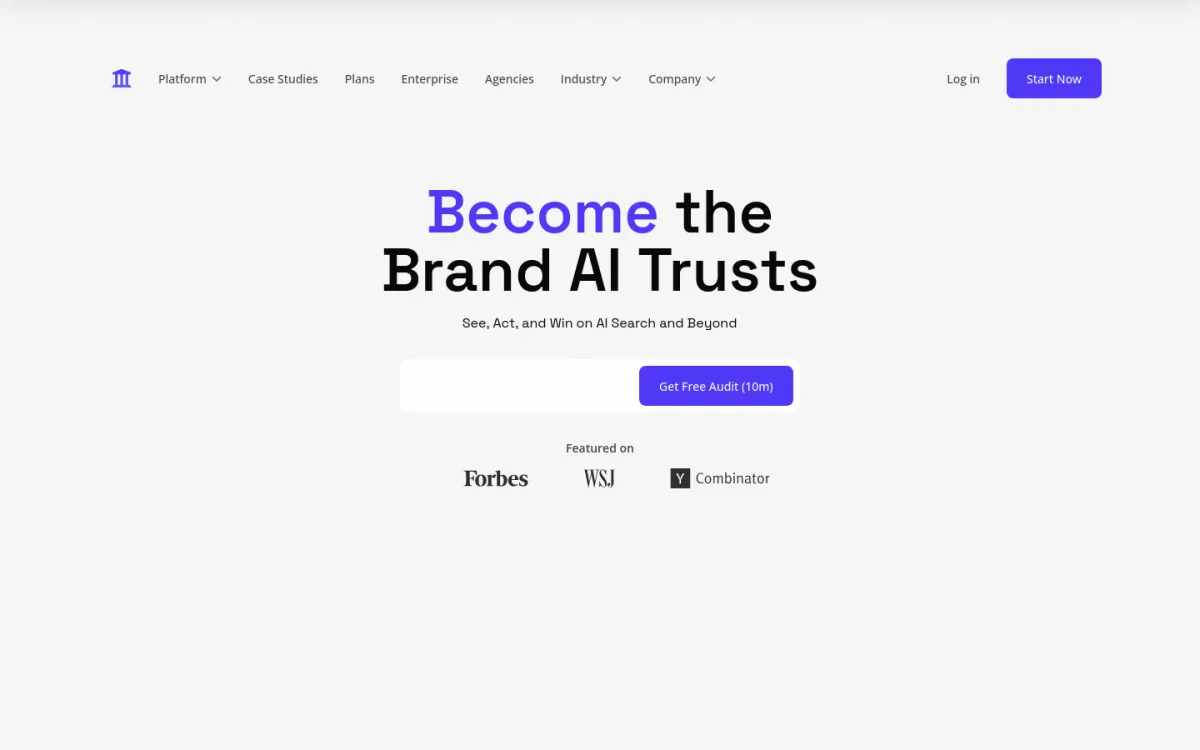
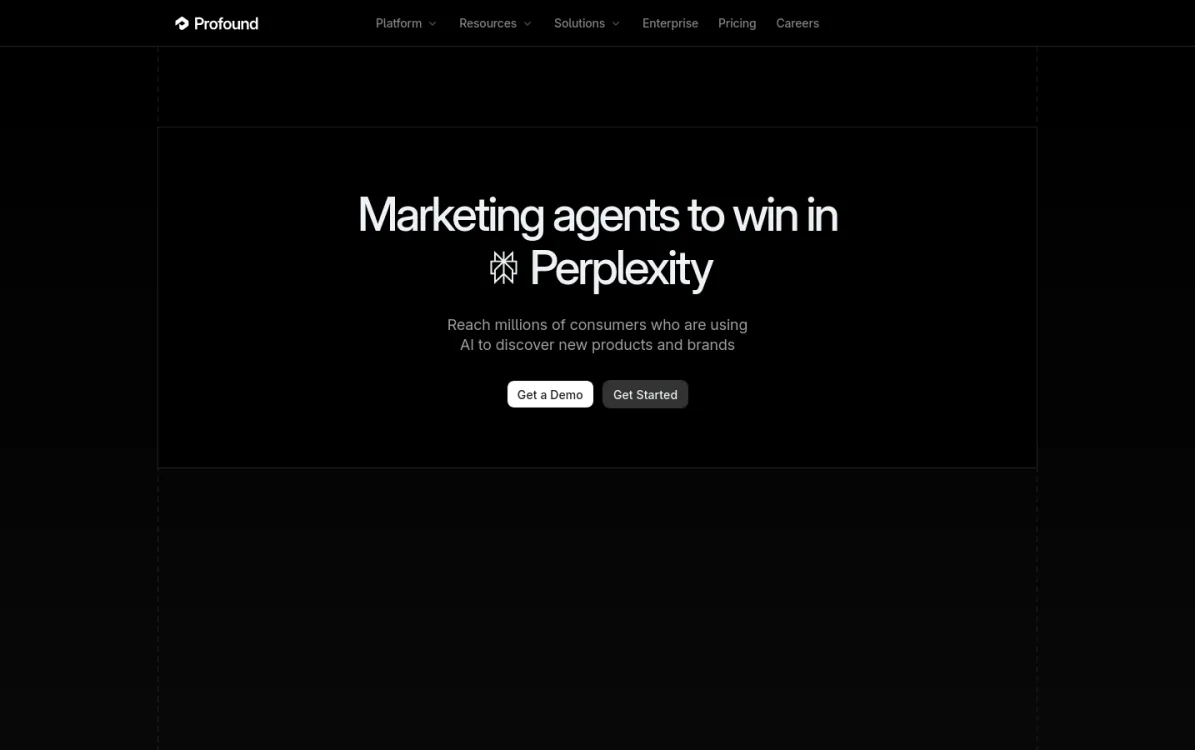
Choose AthenaHQ if...
Choose AthenaHQ when the main job is broad AI visibility platform evaluation. Its strongest fit in this comparison is public plan context and direct AI visibility platform positioning.
The caveat: validate recommendation depth, exports, and how well it explains source gaps Ask the vendor to show one weak prompt, the sources behind it, and the exact action a team should take next.

Choose Profound if...
Choose Profound when the main job is enterprise AI visibility and executive reporting. Its strongest fit in this comparison is enterprise-grade brand visibility and competitive intelligence positioning.
The caveat: may be more enterprise-oriented than smaller teams need Validate this by asking for examples, exports, source data, and a diagnosis of the same weak prompts.

AthenaHQ vs Profound comparison table
| Criterion | AthenaHQ | Profound |
|---|---|---|
| Best fit | broad AI visibility platform evaluation | enterprise AI visibility and executive reporting |
| Main strength | public plan context and direct AI visibility platform positioning | enterprise-grade brand visibility and competitive intelligence positioning |
| Main caveat | validate recommendation depth, exports, and how well it explains source gaps | may be more enterprise-oriented than smaller teams need |
| What to test | Prompt coverage, source visibility, reporting, exports, and plan limits. | Prompt coverage, source visibility, reporting, exports, and plan limits. |
| Best proof | One weak prompt diagnosed into a clear next action. | One weak prompt diagnosed into a clear next action. |
Pricing and plan limits to compare
AthenaHQ lists Essential with $25 in introductory credits (300 credits); Starter at $295/month; Enterprise custom. Profound lists Free seven-day brand Trial; Enterprise custom. The real cost still depends on the limits behind the plan: tracked prompts, brands, competitors, markets, refresh frequency, seats, exports, history, and whether source data is included.
| Tool | Public pricing | What to compare behind the price |
|---|---|---|
| AthenaHQ | Essential with $25 in introductory credits (300 credits); Starter at $295/month; Enterprise custom | Starter includes 3,600 monthly credits, multiple AI models, integrations, CSV export, and content optimization; API access and extra credits are paid add-ons |
| Profound | Free seven-day brand Trial; Enterprise custom | Trial runs 50 prompts daily across ChatGPT, Gemini, and Google AI Overviews; Enterprise offers tailored prompt tracking and up to nine answer engines |
| Both | Plan limits matter as much as sticker price | Compare prompt groups, brands, competitors, markets, refresh frequency, seats, exports, history, and source URLs before deciding which is cheaper for your workflow. |
Evaluation checklist
- Which AI systems are tracked?
- Can we bring our own prompts?
- Can prompts be grouped by product, market, country, use case, and persona?
- Does the tool separate mention frequency, prompt winners, citations, sources, and AI bot traffic?
- Can it show why a competitor is mentioned in the most replies for a prompt?
- Does it recommend actions, or only report visibility?
- Can leadership understand trend reports without reading every prompt?
- Can content teams turn the output into a backlog?
- Can we export the data?
- What limits apply to prompts, brands, users, markets, history, exports, and refreshes?
FAQ
Which tool is cheaper?
Public pricing pages give you the starting point, but they rarely tell the whole story. Compare the included prompts, brands, competitors, markets, users, exports, history, and refresh frequency before deciding which tool is actually cheaper for your workflow.
Can either tool guarantee visibility in ChatGPT, Gemini, or Perplexity?
No. AI visibility tools can monitor answers, show competitors, reveal cited or consulted sources, and suggest work. They cannot guarantee that a model will recommend a brand for a prompt.
What is the fastest fair test?
Use 20 to 30 buyer prompts, the same competitor set, and the same markets in both tools. After a few repeated runs, compare which tool gives clearer source evidence, trend reporting, and next actions.
Final thoughts
Do not choose between AthenaHQ and Profound from homepage copy alone. Run the same prompts, inspect the same competitors, and ask both tools to explain the same weak answer.
The better tool is the one that turns AI visibility data into the decision your team needs now: reporting, page updates, source work, content recommendations, or customer journey insight.